Micro-Forecast: February 9 to 15, 2026

Saturn’s Movement into Aries: Understanding the Ingress and Its Implications on February 13 at 7:11 PM eastern time

Shifting our focus, another major astrological event this week is Saturn’s ingress—or entry—into the sign of Aries, which officially occurs on February 13. Saturn will remain in Aries until April 2028. In astrology, when a planet enters a new sign, it’s called an ingress, signaling a new chapter in how that planet’s energy is expressed.

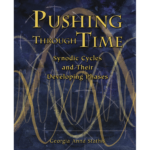
This ingress is part of a larger pattern: both Saturn and Neptune are aligning in a rare synodic conjunction, that is, they meet at the same degree in the sky, starting a new 36-year cycle. A synodic conjunction occurs when two planets, each with its own orbit, come together in the same place, and the interval between such meetings varies depending on the planets involved. Saturn and Neptune’s conjunctions are especially rare, and historically they have coincided with major shifts in the arts, music, and broader expressions of culture. To read more about all the synodic conjunctions, you may want to read my book entitled: Pushing through Time: Synodic Cycles and their Developing phases available at amazon.com. It covers all the various cycles and historical events that surround them, much of which is expressed in graphic format. This conjunction between Saturn and Neptune has a very different expression than where the two planets have been traveling in Pisces for the last several years. Why? Because Aries is the beginning of the zodiac, Ram that butts heads until it wins its battle. There is a stubbornness to the sign of Aries, a swarthiness to its expression and in many ways, because of its high level of taking risks, trying new things, and not ever being happy until they accomplish that which they envision in their heads – we may actually begin to see some bravery in dealing with much of the imbalance we currently see in our worlds right now.

To help decode astrological language, it’s useful to understand planetary rulerships. In this case, Aries is ruled by Mars—the planet associated with action, courage, and sometimes conflict—while Saturn is linked to structure, discipline, and reality checks. When Saturn moves into Aries, it’s as if discipline meets impulsiveness, often resulting in a period where rash actions are curbed and reality takes precedence over fantasy.

Potential Impact on Arts and Society

When Saturn aligns with Neptune, creativity is both inspired and structured. Historically, these conjunctions have marked times of transformation in film, music, and storytelling. For example, following their last conjunction in the late 1980s, cinema shifted toward more introspective and character-driven narratives. The coming years may bring a resurgence of movies and art that highlight real-life heroes and personal journeys, in contrast to the current trend of superhero and fantasy genres. This could mean stories centered on individuals overcoming adversity—reflecting the spirit of the times.

Historical Parallels: Saturn’s Previous Transit Through Aries (1996–1998)

The last time Saturn traveled through Aries was from April 1996 to June 1998. This period was marked by several historic events that echoed Saturn’s themes of restriction and reality checks. For example, in April 1996, severe blizzards hit the U.S. Eastern Seaboard, a reminder of Saturn’s association with frozen things—ice, snow, and even the freezing of impulsive actions. Significant political and social events also unfolded: the arrest of the Unabomber, a real domestic terrorist; the successful cloning of Dolly the sheep, a scientific breakthrough; the transfer of Hong Kong from British to Chinese sovereignty, marking a major geopolitical shift; and the Atlanta Olympic Games bombing, with Richard Jewell at the center of the investigation. These examples illustrate how Saturn’s presence in Aries can coincide with both literal and metaphorical “cooling down” of heated situations, and with events that challenge existing power structures.

Conclusion: Navigating Change with Awareness

By breaking down these astrological events and connecting them to historical moments, we can better appreciate how celestial alignments may correspond with real-world developments. Whether you’re new to astrology or simply curious, understanding terms like “challenging angle,” “synodic conjunction,” and “planetary rulerships” can make the subject more accessible—and may offer a new perspective on the changes unfolding in the world around us.